

How Does a Drip Coffee Maker Work?
Drip coffee makers might not be the most glamorous of methods of brewing but they do provide reliable and consistent coffee with the press of the button. They make use of multiple components, including carafes, filter baskets, water reservoir, and showerheads in order to get the most flavor and oils.
Choose a drip machine with extras like the ability to program functions, adjustable settings, and a self-cleaning mode that lets you customize your morning coffee.
The Drip Area
A drip coffee maker's heart is a reservoir of water as well as heating element. When the water reaches the temperature that is ideal for extraction of coffee (typically 192-205degF) the water flows through tubes before being dispersed evenly on the ground coffee beans. The hot water and the grounds of coffee extract flavors, oils and caffeine. The mixture is then filtered and is poured into the carafe.
Certain models also come with thermally created pressure, which can improve the efficiency of extraction and result in richer flavors. This is popular with those who prefer a more robust cup. Others prefer the convenience of a built-in grinder that can grind whole beans before making coffee to ensure consistency and the best flavor. Additionally, many users appreciate the clean-up feature that allows the machine to run a cleaning process after each use.
Capacity A drip coffee maker's capacity can vary from models that can brew just one cup to larger models that can make 10 or 14 cups all at once. The best choice will depend on the amount of people who drink coffee in your house and your own personal preferences. For example, if you're an avid coffee drinker who loves a strong cup of joe choose an automatic drip coffee maker with adjustable strength settings and an enormous carafe.
Programmability: Some drip-coffee makers have programmable features that allow you to set an exact time at which the machine can begin making coffee. This is a great option for those who love waking up to a fresh pot of coffee.
The design and the material of the carafe: The material and design of a drip coffee maker's carafe is crucial, particularly when it comes to the durability. Select a glass or thermal carafe that is easy to lift and pour.
Some models are designed with a dishwasher-safe, removable filter basket, which is much easier to clean than traditional paper filters. Other models have filters made of metal that stops coffee grounds from making it into your final cup of coffee.
The Hot Plate
The hotplate helps keep the temperature of the water constant throughout brewing and also helps to keep your coffee warm once it's been brewed. After each brew, it is important to wash your hot plate to remove any oil or coffee stains that may have been splattered or burned off. A simple wipe will usually work, but more stubborn staining may require to be scrubbed using a sponge and baking soda. It's an excellent idea to clean the carafe after every use to avoid stains.
A one-way valve (usually located in the hole or the aluminum heating tube) prevents the boiling water from returning into the reservoir or out of the white tube. Through the use of gravity and a simple heating device, this one-way valve transforms a few coffee grounds and a little water into a pot filled with steaming hot coffee.
The majority of drip coffee makers have various advanced features that will help you get the most effective results. Certain models let you pick the strength of the coffee, whereas others include integrated grinds or types of brewing. They can be programmed to brew at certain intervals and are often fitted with sensors that alert you when it's time to pour.
The amount of water you use and the type of grind you use can drastically affect the flavor of your coffee It's worth playing around with different ratios until you discover the right balance for you. The most basic rule of thumb is two tablespoons of ground coffee per six ounces of water, but it's also important to weigh the water and coffee to ensure that you're not using too much or too little.
Some of the most popular drip coffee makers are programmable, which means you can set them up to automatically brew coffee in the morning before your day starts. This is especially useful if you are working a tight schedule and don't have time prepare your coffee before leaving home. Some models have an alarm clock that can wake you up to your favorite radio station.
The Carafe
The carafe will hold your coffee until it is ready to pour. Ideally, it will be protected to keep your coffee hot for several hours at a time. Some carafes are made out of glass, while others are made out of stainless steel. Glass is the most preferred option for home coffee makers. Some models also have a carafe made of plastic that is easy to clean and is lighter for easier handling.
While the carafe can play an important role in how long your coffee will remain hot however, there are other aspects to take into consideration when selecting a drip coffee maker. The flavor of your coffee is influenced by the temperature of water, the distribution of water, and the control over the brewing parameters. The top carafe models provide consistent water temperature and dispersion, ensuring that all of your grounds are soaking wet.
You'll have to think about your family size and how often you want to caffeinate when choosing drip coffee machines. If you frequently host guests, a larger machine might be a good choice for you. If you're an active family with several children, a smaller model may be more appropriate.
When looking through coffee maker models, consider the features and customization levels of each. Some machines come with an LCD display with backlighting, 24-hour programming and the ability to brew up to 4 cups rather than an entire pot. Other features could include self-cleaning cycles, a freshness counter and an automatic shut-off.
In terms of brands to consider, Cuisinart and Black+Decker are among the most highly rated in our reviews. They offer a broad variety of coffee makers that are highly rated including models that use K-Cups or models with an integrated grinder. Both of these brands also make large-capacity machines that could be a perfect fit for households and families that require regular coffee for a lot of people. Their thermal carafes can keep a large batch hot for a long time after brewing is complete There's no reason to fret about the first cup of coffee becoming cold.
The Heating Element
When you press the power button of your coffee maker, a resistance heating element starts to convert electrical energy into thermal energy. This is what heats the white aluminum water tube until it reaches the optimal temperature for coffee extraction.
The hot water is dispersed evenly over the coffee grounds by the showerhead. This lets the hot water soak in and draw out the oils and flavors from the grounds, creating an exquisite cup of coffee.
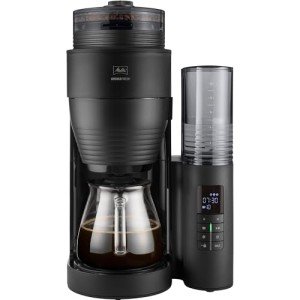
When the grounds are saturated the grounds begin to drip into the carafe below. This process is largely based on gravity however, it is also influenced by the ratio of water to coffee, the grind size of the coffee beans, and the temperature of the brewing. This creates a balanced taste profile that is unique to each coffee maker.
If dripping coffee maker find that your coffee maker isn't making as much coffee as it used to, you may have a blockage in one of the tubes. This is particularly common in less expensive models, because the heating element of aluminum is easily blocked by mineral deposits. Fortunately, the issue is easy to solve simply by running the water tank to empty with vinegar to remove the obstruction. Then, run the machine with coffee and a filter to remove the vinegar.
It is essential to understand the way your coffee maker functions and what role each component plays during the coffee making process. This knowledge will allow you to make the perfect cup of coffee every time you use your coffee maker.
The most basic drip coffee makers come with the base plate, a reservoir to hold water, and an electric heating element and showerhead that distributes hot water across the coffee grounds. The more sophisticated coffee makers include additional features, including auto-brew timers that can be programmed and self-cleaning cycles. Certain coffee makers employ thermally-induced pressure to improve the extraction of flavor, which results in a fuller-bodied brew. Choosing the right type of coffee bean and grinder, as well as deciding on the proper filter, is vital to creating the perfect cup of coffee.